The Heart of a Liveable City: What is Sustainable Urban Transport?
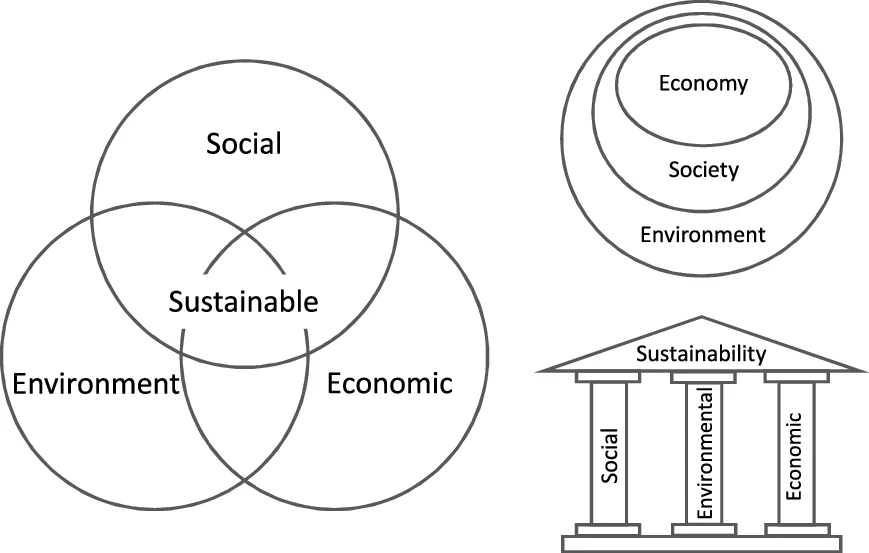
In an era of rapid urbanization, the pulse of a city is often measured by its transport system. Yet, not all movement is created equal. The concept of sustainable city transport goes far beyond merely moving people from point A to point B; it’s about creating systems that are environmentally sound, economically viable, and socially equitable. A truly sustainable transport network enhances public health, reduces pollution, fosters community engagement, and ensures accessibility for all, regardless of age, ability, or socioeconomic status. It’s the invisible framework that enables cities to thrive, offering citizens not just mobility, but opportunities, safety, and a better quality of life. Without a thoughtful approach to urban mobility, cities risk locking in outdated infrastructure that perpetuates inequality, exacerbates climate change, and stifles growth.Introducing The Atlas of Transport Progress: A Data-Driven Revolution for Sustainable Cities
Understanding the complex dynamics of urban mobility requires sophisticated tools, and this is precisely where The Atlas of Sustainable City Transport steps in. This innovative online data dashboard transcends traditional infrastructure metrics, offering a nuanced, people-centric view of urban transport across the globe. With measurements for nine crucial indicators spanning over 1,000 metropolitan areas and more than 40,000 legal jurisdictions, the Atlas provides an unprecedented level of detail. It’s an invaluable resource designed to empower a diverse range of stakeholders—from urban planners and policymakers to researchers, journalists, and everyday citizens—to gain deep insights into the state of sustainable urban mobility. Inspired by pioneering regional platforms like ITDP Brazil’s MobiliDADOS, which launched in 2017, the Atlas expands its scope to facilitate global comparisons. It leverages open data sources and, in turn, publishes its findings openly, fostering transparency and collaborative research. This commitment to open access ensures that crucial insights are available to everyone, democratizing the path toward more sustainable and inclusive urban environments.Beyond Infrastructure: Measuring What Truly Matters to People
What makes The Atlas of Sustainable City Transport truly transformative is its focus on the human experience. Instead of merely tallying miles of bike lanes or numbers of bus routes, the Atlas measures what this infrastructure means for the people who live in these cities. Its nine core indicators paint a holistic picture of accessibility, safety, and connectivity:- Population Density: A foundational metric, indicating the potential for efficient public transport and walkable communities.
- Block Density: Reflects the permeability of an urban area, directly impacting walkability and local connectivity.
- People Near Protected Bike Lanes: Quantifies access to safe cycling infrastructure, crucial for promoting active transport.
- People Near Services: Measures how many residents can easily reach essential services (healthcare, education, retail) without private vehicles.
- People Near Car-Free Places: Highlights the availability of public spaces designed for people, not cars, fostering community and reducing emissions.
- People Safe From Highways: An indicator of urban safety and liveability, showing how many residents are protected from the negative impacts of high-speed roads.
- People Near Frequent Transport: Assesses access to reliable, high-frequency public transit, a cornerstone of efficient inclusive urban transport.
- People Near Rapid Transport: Focuses on proximity to high-capacity transit options like subways, light rail, or Bus Rapid Transit (BRT).
- People Near Bikeways + Transport: A combined indicator emphasizing integrated multi-modal transport options.
Empowering Change: How The Atlas Fuels Progress
The power of The Atlas of Sustainable City Transport lies in its utility as an actionable guide. For various stakeholders, it offers unparalleled opportunities:For Policymakers and Planners:
The Atlas provides an up-to-date, easy-to-understand baseline for setting ambitious yet achievable goals for expanding sustainable infrastructure. By tracking progress through regular updates, city leaders can adapt strategies, allocate resources effectively, and demonstrate accountability. This is particularly vital in low- and middle-income countries, where targeted interventions can yield significant improvements in quality of life. Imagine a city council using the Atlas to identify neighborhoods with poor access to rapid transport, then strategically planning new BRT lines to connect these underserved areas.
For Advocates and Journalists:
Urban transport advocates can leverage the Atlas to champion change, compare their city's performance against others, or even highlight disparities between neighborhoods within a single city. Journalists can use its data, rankings, graphs, and maps (all available for download) to craft compelling stories that inform the public and hold decision-makers accountable. This data-driven storytelling can galvanize public support for sustainable city transport initiatives.
For Researchers and Citizens:
Researchers gain access to openly published, robust datasets for academic studies, helping to deepen our understanding of urban dynamics. For interested citizens, the Atlas offers a unique opportunity to learn about the fabric of their home cities, understand local transport challenges, and engage in informed discussions about urban development. A local community group could use the "People Near Services" indicator to advocate for better public transport links to a new hospital or grocery store.