Data-Driven Cities: Measuring & Improving Sustainable Urban Mobility
As our global population increasingly gravitates towards urban centers, cities stand at a critical juncture. The promise of economic opportunity and cultural vibrancy often comes with the formidable challenges of congestion, pollution, and social inequality. At the heart of mitigating these issues lies the urgent need for
sustainable city transport. This isn't merely about building more infrastructure; it's about fundamentally rethinking how people move, ensuring that mobility systems are not only efficient but also equitable, environmentally sound, and resilient. The key to unlocking truly sustainable urban environments? Data. By leveraging comprehensive data, cities can move beyond guesswork, measure real impact, and implement strategies that genuinely improve the lives of their residents.
The Imperative for Sustainable City Transport: A Holistic View
Cities are complex organisms, paradoxical in their nature. They are engines of economic growth and innovation, yet they often harbor deep social inequalities and are major contributors to global emissions. The traditional model of urban transport, heavily reliant on private vehicles, exacerbates these paradoxes, leading to air pollution, noise, traffic fatalities, and inaccessible opportunities for many. A shift towards
sustainable city transport is therefore not an optional upgrade, but a critical imperative that addresses multiple facets of urban well-being:
*
Environmental Sustainability: Reducing carbon emissions, improving air quality, and mitigating climate change impacts.
*
Social Equity: Ensuring all citizens, regardless of income, age, gender, or physical ability, have safe, affordable, and convenient access to jobs, education, healthcare, and public spaces.
*
Economic Vibrancy: Decreasing congestion, boosting local economies by making areas more accessible, and reducing household transport costs.
*
Public Health and Safety: Promoting active mobility (walking, cycling), reducing accidents, and fostering healthier lifestyles.
Achieving this shift requires vision, meticulous planning, and a deep understanding of how existing systems function and, more importantly, how they impact people. This is where robust data comes into play, offering an empirical foundation for transformative urban policies.
Unpacking the "Sustainable" in Urban Mobility: Beyond Infrastructure
Historically, urban transport planning often focused on concrete metrics like road length, vehicle miles traveled, or the number of bus routes. While these are foundational, they tell only part of the story. A truly sustainable approach delves deeper, measuring what infrastructure *means for people*. Tools like the Atlas of Sustainable City Transport are revolutionizing this perspective by providing granular, people-centric indicators that assess the true state of urban mobility.
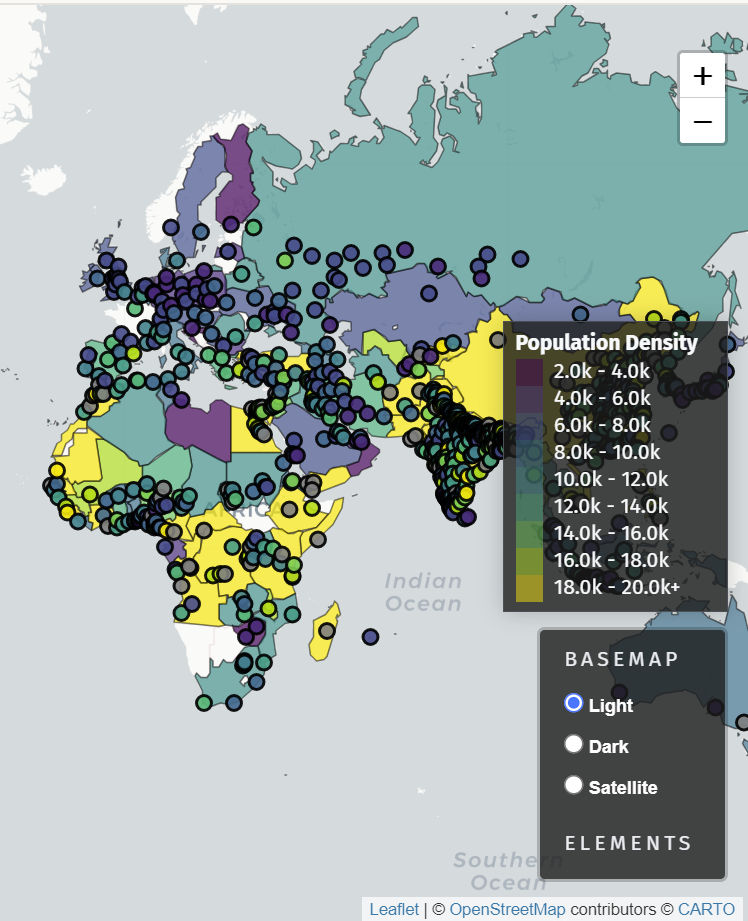
The Atlas, a powerful online data dashboard, goes beyond simple infrastructure counts. It displays measurements for nine crucial indicators across over 1,000 metropolitan areas and tens of thousands of legal jurisdictions, offering a comprehensive look at how cities perform in fostering
sustainable city transport:
*
Population Density & Block Density: These foundational metrics reveal the urban fabric. High densities support efficient public transport and walkability, reducing the need for private vehicles.
*
People Near Protected Bike Lanes & People Near Bikeways + Transport: Not just the presence of cycling infrastructure, but how many people can actually access and benefit from safe cycling routes, especially those that connect to public transit hubs.
*
People Near Frequent Transport & People Near Rapid Transport: Measures the accessibility of high-quality public transportation, crucial for reducing car dependency and ensuring widespread mobility.
*
People Near Services: A key indicator of walkability and livability, showing how many residents can reach essential services (shops, schools, healthcare) without relying on a car.
*
People Near Car-Free Places: Reflects a city's commitment to creating pedestrian-friendly environments that enhance public life and reduce vehicle dominance.
*
People Safe From Highways: Addresses direct safety and quality of life, indicating how many residents live away from the negative impacts of major roadways, such as noise, pollution, and accident risks.
These indicators collectively paint a nuanced picture of urban mobility, highlighting not just what has been built, but how effectively it serves the population. They push planners to consider accessibility, safety, and convenience from the user's perspective, making them invaluable for assessing and advancing genuine
sustainable city transport.
Data-Driven Planning: A Blueprint for Progress
The availability of such detailed and accessible data transforms the landscape of urban planning. For policymakers and planners at all levels of government, the Atlas provides up-to-date, easy-to-understand metrics to set ambitious yet achievable goals for expanding sustainable infrastructure. By tracking progress regularly, cities can evaluate the effectiveness of their interventions and adjust strategies as needed. This is particularly beneficial for low- and middle-income countries, where resources are often constrained, making evidence-based decisions even more critical.
Researchers can leverage this open data to delve deeper into urban dynamics, while urban transport advocates and journalists can use it to compare cities or even neighborhoods within a city, fostering public discourse and accountability. Interested citizens, too, can explore the data to gain new insights into their home cities and engage more effectively in urban planning discussions. The ability to generate rankings, graphs, and maps for download further democratizes this information, making it a powerful tool for civic engagement and informed decision-making.
For more insights into how such tools empower urban development, explore
Unlock Urban Sustainability: The Atlas of Transport Progress.
Building Inclusive Mobility: A Gender-Responsive Approach
True
sustainable city transport cannot exist without being profoundly inclusive. The concept of a "sustainable city" must encompass safety, accessibility, and equal opportunities for all residents, regardless of gender, race, ability, or economic status. As highlighted by WEDO, cities are often sites where gender inequalities are magnified, impacting women's access to employment, safety, healthcare, and political representation.
Transport systems play a crucial role in perpetuating or alleviating these disparities. For example, women often face unique challenges in urban mobility, including safety concerns during commutes, the need for multi-stop trips for caregiving and household responsibilities (known as "trip chaining"), and limited access to affordable and reliable transport options. A prosperous city can easily leave women behind if planning fails to account for their distinct needs and travel patterns.
This is where a gender-responsive approach, informed by data, becomes indispensable. By analyzing mobility patterns through a gender lens, cities can identify critical gaps:
*
Safety Audits: Data can reveal areas with high incidence of harassment or crime, leading to improved lighting, more frequent public transport, or better surveillance.
*
Route Design: Understanding diverse travel patterns helps design routes that connect to childcare, healthcare, and informal work locations, not just traditional employment centers.
*
Affordability: Ensuring public transport is financially accessible, especially for those in precarious employment.
Integrating climate change, sustainable development, and gender equality must be pursued in tandem. This means that infrastructure development, policy formulation, and service provision for transport must actively respond to the differentiated needs of all urban dwellers. Women, in particular, bring invaluable contributions to sustainable urban development, and their full participation and safety in urban life are non-negotiable for achieving truly sustainable cities.
For a deeper dive into equitable urban planning, consider reading
Beyond Infrastructure: Planning Inclusive Urban Transport for All.
Conclusion
The journey towards truly sustainable cities is complex, but the path forward is illuminated by data. By shifting our focus from mere infrastructure to its human impact, and by embracing comprehensive, open-source data platforms like the Atlas of Sustainable City Transport, urban planners, policymakers, and citizens can make informed decisions. Integrating gender-responsive and inclusive planning principles ensures that efforts to achieve
sustainable city transport benefit everyone, creating urban environments that are not just green and efficient, but also safe, equitable, and vibrant for all who call them home. The future of our cities depends on our ability to measure wisely, plan inclusively, and act decisively on the insights that data provides.